
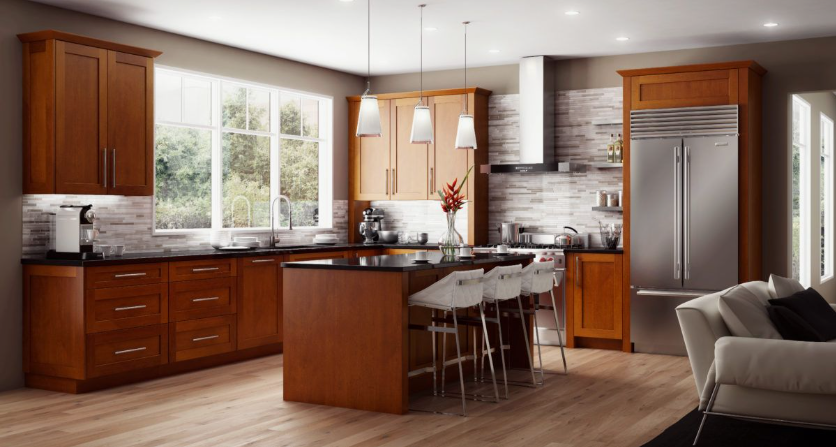
Replacing kitchen cabinets can give your kitchen a new appearance, improve storage, and make everyday use more convenient. However, the total cost depends on more than the price of the cabinets. Cabinet materials, kitchen size, installation labor, removal of old units, hardware, and additional remodeling work can all affect the final budget.
In 2026, a standard kitchen cabinet replacement project may cost approximately $4,500 to $15,000, while larger kitchens and high-end custom installations can exceed $30,000. These are broad planning estimates rather than fixed prices. The actual amount depends on the cabinet type, project requirements, and condition of the existing kitchen.
For homeowners planning kitchen remodeling, understanding each cost before starting can make it easier to compare options, set a realistic budget, and avoid unexpected expenses.
Average Cost to Replace Kitchen Cabinets
The average cost to replace kitchen cabinets typically ranges from $4,500 to $15,000 for standard projects. Smaller kitchens with basic stock cabinets may cost less, while larger spaces with custom cabinets, upgraded finishes, and additional installation work can require a much higher investment.
One important distinction is whether the estimate covers only the cabinets or the complete replacement project. A cabinet-only estimate may include the new units and installation, while a full project can also involve removing old cabinets, replacing countertops, repairing walls, updating plumbing, and installing a backsplash.
Here is a general overview of potential project budgets:
| Project Type | Estimated Cost |
|---|---|
| Small kitchen cabinet replacement | $2,000–$8,000 |
| Standard kitchen cabinet replacement | $4,500–$15,000 |
| Medium kitchen with upgraded cabinets | $6,000–$22,500 |
| Large kitchen replacement | $10,000–$36,000+ |
| High-end custom cabinet project | $30,000+ |
These figures are approximate planning ranges, not guaranteed installation prices. The scope of work, cabinet specifications, and local labor requirements can change the final estimate.
Kitchen Cabinet Cost by Type
The type of cabinets you select is one of the biggest factors affecting your replacement budget. Stock, semi-custom, and custom cabinets differ in price, available sizes, materials, finishes, and design flexibility.
Cabinet pricing is sometimes calculated by the linear foot. A linear foot measures one foot of cabinet length along a kitchen wall. It helps estimate the amount of cabinetry required, although the final price also depends on cabinet height, depth, configuration, and accessories.
| Cabinet Type | Estimated Cost per Linear Foot | Approximate Cost for a 10×10 Kitchen | Best For |
|---|---|---|---|
| Stock / Ready-to-Assemble | $100–$400 | $2,000–$8,000 | Budget-conscious projects and standard layouts |
| Semi-Custom | $150–$700 | $3,000–$18,000 | Kitchens requiring more size and finish choices |
| Custom | $500–$2,000+ | $10,000–$40,000+ | Unique layouts and specific storage requirements |
The estimates above are broad ranges. They may overlap because cabinet packages, measurements, and included components vary between projects.
Stock and Ready-to-Assemble Cabinets
Stock cabinets are manufactured in standard sizes and are generally among the more affordable replacement options. They are suitable for kitchens with straightforward layouts that can accommodate commonly available cabinet dimensions.
Ready-to-assemble (RTA) cabinets are delivered in separate pieces and require assembly before installation. They can reduce the initial product cost, but assembly adds time and labor if a professional handles the work.
Stock cabinets may be a practical choice when the existing kitchen layout is staying mostly the same and the available sizes meet your storage needs.
Semi-Custom Cabinets
Semi-custom cabinets provide more flexibility than standard stock options. Homeowners can often choose from additional finishes, door styles, storage features, and selected size adjustments.
They are useful when standard cabinets do not fully fit the kitchen but a completely custom design is not necessary. Options such as deeper drawers, pull-out storage, specialized corner cabinets, and additional shelving can also affect the final price.
Custom Cabinets
Custom cabinets are designed around the specific measurements and requirements of a kitchen. They can accommodate unusual wall dimensions, angled corners, ceiling heights, specialized storage needs, and distinctive design preferences.
Because they require more design and manufacturing work, custom cabinets generally cost more than stock or semi-custom options. The price may increase further when homeowners select premium materials, detailed finishes, decorative panels, or specialized hardware.
Custom cabinetry is worth considering when the kitchen layout requires features that standard cabinet sizes cannot provide.
How Kitchen Size Affects Cabinet Replacement Costs
The size of your kitchen influences how many cabinets are needed, how much material is required, and how long installation may take. A larger kitchen generally requires more cabinet units, but its total cost does not always increase at the same rate because certain project expenses remain relatively fixed.
The following examples show how kitchen size can affect a replacement budget:
| Kitchen Size | Approximate Cabinet Length | Estimated Cabinet Cost |
|---|---|---|
| Small or galley kitchen | 10–14 linear feet | $1,500–$8,000 |
| Medium or standard kitchen | 20–25 linear feet | $4,500–$22,500 |
| Large or U-shaped kitchen with island | 30+ linear feet | $10,000–$36,000+ |
These ranges represent approximate cabinet budgets across different product tiers, not complete remodeling costs. Installation, removal, countertops, and other work may increase the total.
Small or Galley Kitchen
A small kitchen usually requires fewer base and wall cabinets. This can help control material and installation costs, particularly when the layout remains unchanged.
However, limited space can require more careful planning. Narrow cabinets, corner storage, and specific appliance openings may affect which cabinet sizes are suitable.
Medium or Standard Kitchen
A medium-sized kitchen often needs a combination of base cabinets, wall cabinets, drawer units, and possibly a pantry cabinet. The final cost depends on the number of units, cabinet quality, and selected storage features.
This kitchen size can accommodate stock or semi-custom options in many layouts. Custom cabinetry may be necessary when the room has unusual dimensions or specific design requirements.
Large Kitchen With an Island
Larger kitchens often include extended cabinet runs, pantry storage, decorative panels, and an island. These features increase the amount of cabinetry and may require additional installation work.
An island can also involve separate measurements, finished panels, electrical connections, or plumbing, depending on its design. Homeowners should account for these requirements when comparing project estimates.
Additional Costs Involved in Replacing Kitchen Cabinets
The price of new cabinets is only one part of the replacement budget. Removing the existing units, preparing the space, and reconnecting kitchen fixtures can add to the total project cost.
Understanding these expenses before work begins helps homeowners plan more accurately.
1. Cabinet Removal and Disposal
Old cabinets must be removed before new ones can be installed. This work may involve taking down wall cabinets, removing base units, disconnecting fixtures, and clearing away construction debris.
Professional removal and disposal may cost approximately $300 to $1,000 or more, depending on kitchen size, cabinet construction, countertop removal, and disposal requirements.
Older cabinets that are nailed, glued, or attached to uneven walls may require additional care. If the existing countertop is heavy or difficult to remove, the demolition process may also take longer.
2. Cabinet Installation Labor
Installation labor depends on the number of cabinets, kitchen layout, wall and floor conditions, and the amount of finishing work required.
A broad planning range is approximately $50 to $200 per linear foot for installation labor, although complicated projects can cost more.
Labor may include:
- Assembling ready-to-assemble cabinets.
- Locating and securing wall cabinets to appropriate supports.
- Installing and leveling base cabinets.
- Aligning doors and drawer fronts.
- Fitting fillers, end panels, and decorative trim.
- Adjusting hinges and drawer hardware.
Uneven walls and floors can increase installation time because cabinets must be carefully leveled and fitted. Detailed trim, crown molding, and custom panels may also require additional finish work.
3. Cabinet Hardware
Knobs, handles, drawer pulls, and hinges contribute to the overall cost. Basic hardware may be inexpensive, while decorative or premium options can increase the budget.
Hardware may range from approximately $2 to $50 or more per piece. For a typical kitchen, the total allowance could be around $120 to $2,400, depending on the number of pieces and product selection.
Homeowners should consider both appearance and everyday use when selecting hardware. Frequently used drawers and doors benefit from properly sized, comfortable handles and suitable hinges.
4. Countertop Replacement
Replacing cabinets may affect the existing countertop, particularly when the new cabinet layout changes or the countertop cannot be safely removed and reused.
The cost of a new countertop depends on its material, dimensions, edge profile, cutouts, and installation requirements.
| Countertop Material | General Installed Cost per Square Foot |
|---|---|
| Laminate | $15–$60 |
| Butcher Block | $40–$100 |
| Solid Surface | $40–$100 |
| Granite | $40–$150 |
| Quartz | $50–$200+ |
These are broad material and installation estimates. Actual prices depend on the selected product, fabrication, measurements, and local labor.
Can you keep your existing countertop?
Sometimes, but it depends on the material and cabinet configuration. A stone countertop may be reusable when it can be removed safely and the replacement cabinets maintain the same footprint, height, and support requirements.
Laminate countertops are generally more difficult to remove without damage. Changes to cabinet widths, sink placement, or appliance openings can also make an existing countertop unsuitable.
Before budgeting to reuse a countertop, have its condition and removal requirements assessed. A replacement countertop may be necessary if the existing one is damaged or does not fit the new cabinet arrangement.
5. Backsplash Installation
A backsplash may need to be removed when the countertop or cabinets are replaced. Existing tiles can crack during removal, and the new countertop may have a different height or thickness.
A kitchen backsplash project may cost approximately $500 to $1,500, depending on the area, tile material, surface preparation, and installation complexity.
If the existing backsplash is in good condition and does not interfere with the replacement work, keeping it may reduce the project budget.
6. Plumbing and Electrical Work
Replacing cabinets in the same layout may only require disconnecting and reconnecting existing fixtures. However, moving a sink, dishwasher, range, or electrical outlet can introduce additional work.
Plumbing expenses may include:
- Disconnecting and reconnecting the sink.
- Adjusting water supply and drain lines.
- Reinstalling a garbage disposal.
- Reconnecting a dishwasher.
- Installing a new faucet or sink.
Electrical work may include relocating outlets, updating countertop receptacles, or installing under-cabinet lighting.
When plumbing or electrical changes are required, costs can increase by approximately $500 to $2,500 or more, depending on the work involved. More extensive changes may exceed this range.
Gas connections and electrical modifications should be handled by appropriately qualified professionals. Permit requirements depend on the work and the local building rules.
7. Drywall, Flooring, and Wall Repairs
Removing old cabinets can reveal areas that were previously hidden. These may include screw holes, damaged drywall, unfinished wall sections, uneven surfaces, or signs of moisture around the sink.
Possible additional work includes:
- Patching and finishing drywall.
- Painting exposed wall areas.
- Repairing damaged flooring.
- Correcting uneven surfaces.
- Addressing water damage beneath the sink.
- Removing or modifying soffits when the layout changes.
Flooring is particularly important when the new cabinet arrangement differs from the old one. Some kitchens have flooring that stops at the existing cabinet edges, leaving unfinished areas visible when the cabinets are removed.
It is better to identify these conditions before installation rather than cover damaged or unsuitable surfaces with new cabinets.
What Does a Complete Cabinet Replacement Project Cost?
A complete replacement project may include more than purchasing and installing cabinets. Countertops, backsplash, plumbing, electrical work, wall repairs, flooring, and disposal can all contribute to the final price.
For example, a standard 10×10 kitchen may have the following broad planning budgets:
| Project Component | Value Cabinet Project | Mid-Range Cabinet Project |
|---|---|---|
| Cabinet removal and disposal | $350–$1,000 | $350–$1,200 |
| New cabinets | Around $4,600 | $4,600–$8,400 |
| Installation labor | $1,000–$2,500 | $2,000–$4,000 |
| Countertop | $600–$2,100 | $1,650–$5,000 |
| Backsplash | $300–$750 | $500–$1,500 |
| Plumbing | $250–$600 | $600–$1,500 |
| Electrical | $0–$300 | $300–$1,000 |
| Drywall and painting | $600–$1,750 | $600–$1,750 |
| Flooring allowance | $0 | $500–$1,300 |
| Permits allowance | $0–$300 | $150–$900 |
| Estimated contingency | 10% | 15% |
Under these example assumptions, a value-oriented project may total approximately $8,500 to $15,400, while a mid-range project may reach approximately $13,000 to $30,500.
These examples are not fixed quotes. They exclude appliances and may not include delivery, all hardware, or every possible repair. Actual totals can vary significantly depending on the selected materials and work required.
The main takeaway is that homeowners should compare complete project estimates rather than looking only at the cabinet price.
What Factors Can Increase Kitchen Cabinet Replacement Costs?
Several project details can increase the amount you spend, even when the cabinet style and material remain the same.
Kitchen Layout Changes
Keeping the existing layout is often less complicated than moving cabinets, appliances, or plumbing fixtures. A redesigned kitchen may require additional measurements, new cabinet dimensions, countertop fabrication, and changes to utility connections.
Cabinet Material and Construction
Cabinet boxes, doors, drawer construction, finishes, and hardware all affect the price. A basic cabinet package may cost less initially, while upgraded materials and construction features can increase the investment.
Custom Storage Features
Pull-out shelves, deep drawers, pantry organizers, corner storage systems, and built-in appliance cabinets can improve kitchen functionality. However, specialized features generally increase the cabinet budget.
Wall and Floor Conditions
Walls are not always perfectly straight, and floors may not be level. Installers may need additional preparation, shimming, fillers, or finish carpentry to achieve a proper fit.
Water Damage and Hidden Repairs
Leaks around sinks and dishwashers can damage cabinet boxes, flooring, and nearby surfaces. If moisture-related damage is discovered during removal, the affected area should be addressed before installing replacement cabinets.
Is It Cheaper to Replace or Reface Kitchen Cabinets?
Replacing cabinets is not the only way to update a kitchen. If the existing cabinet boxes are structurally sound and the current layout works, painting or refacing may be more affordable.
The right option depends on the condition of the existing cabinets and how much you want to change.
| Option | Approximate Cost | What It Involves |
|---|---|---|
| Painting or refinishing | $1,500–$4,500 | Updating the existing cabinet finish |
| Cabinet refacing | $5,000–$13,000 | Replacing doors and drawer fronts and covering visible cabinet surfaces |
| Full cabinet replacement | $4,500–$15,000+ | Removing old units and installing new cabinets |
These are general planning ranges. The final price depends on kitchen size, cabinet condition, materials, and labor.
When Painting or Refinishing Makes Sense
Painting or refinishing may be suitable when the cabinet boxes, doors, and drawer structures are still in good condition. It changes the appearance without requiring complete cabinet replacement.
However, painting will not fix swollen panels, damaged cabinet boxes, failing joints, or an unsuitable layout.
When Cabinet Refacing Makes Sense
Refacing keeps the existing cabinet framework while updating the visible surfaces. It commonly involves new doors, drawer fronts, and exterior veneer or covering materials.
This option can work when the cabinet boxes are sound, the storage arrangement is functional, and the existing layout does not need major changes.
When Full Replacement Is the Better Option
Full replacement may be more practical when cabinet boxes have water damage, structural problems, deteriorating materials, or repeated repair issues.
It is also worth considering when you want to change the kitchen layout, improve storage, add new cabinet configurations, or replace outdated units that no longer meet your needs.
How to Save Money When Replacing Kitchen Cabinets
A lower project cost does not necessarily mean choosing the cheapest cabinets. Planning the work carefully can help reduce unnecessary expenses while maintaining the quality and functionality of the finished kitchen.
Consider these practical approaches:
- Keep the existing layout when possible. Avoiding unnecessary changes to sink and appliance locations can reduce plumbing, electrical, and installation work.
- Compare cabinet types. Stock, semi-custom, and custom options offer different levels of flexibility. Choose a type that meets your measurements and storage needs.
- Prioritize important storage features. Spend on frequently used drawers and practical organizers before adding decorative features that may not improve daily use.
- Review the complete cabinet order. Include fillers, panels, trim, toe kicks, and hardware so missing components do not delay installation.
- Check the existing countertop. If it is suitable for reuse, keeping it may reduce material and fabrication costs.
- Address water damage before installation. Repairing moisture-related problems first helps avoid installing new cabinets over damaged surfaces.
- Compare itemized estimates. Make sure each estimate identifies removal, installation, materials, and additional work so you can compare the actual project scope.
How Long Does It Take to Replace Kitchen Cabinets?
The timeline depends on cabinet availability, kitchen size, installation complexity, and whether additional remodeling work is required.
A straightforward replacement may take several days for removal and installation. A complete project involving countertops, backsplash, flooring, plumbing, and electrical work can take approximately two to four weeks or longer after demolition, depending on the schedule and materials.
Custom cabinets may also require several weeks of manufacturing and delivery before installation begins.
A typical project sequence includes:
- Measuring the kitchen and planning the cabinet layout.
- Selecting cabinet materials, sizes, finishes, and hardware.
- Ordering the cabinets and confirming delivery.
- Removing the existing cabinets.
- Inspecting and preparing the walls and floors.
- Completing necessary plumbing or electrical changes.
- Installing and leveling the new cabinets.
- Measuring and installing countertops.
- Completing backsplash, painting, and finishing work.
- Reconnecting fixtures and checking cabinet doors and drawers.
Having the cabinets delivered and inspected before removing the existing kitchen can help prevent avoidable delays if a component is damaged or missing.
Questions to Ask Before Hiring a Kitchen Cabinet Replacement Contractor
Before starting a project, ask questions that help clarify the work, materials, timeline, and total price.
- Does the estimate include removing and disposing of the old cabinets?
- Are the cabinet boxes, doors, hardware, and installation included?
- Will the existing countertop and backsplash be reused or replaced?
- Are plumbing and electrical changes included in the project scope?
- Does the estimate include fillers, panels, trim, and finishing work?
- What happens if water damage or uneven surfaces are discovered?
- Who is responsible for coordinating additional trades?
- Are permits required for the planned changes?
- What is the expected project timeline?
- Are materials, labor, and additional charges listed separately?
A clear, itemized estimate helps homeowners understand what they are paying for and reduces confusion once the work begins.
Is Replacing Kitchen Cabinets Worth the Cost?
Replacing kitchen cabinets can be a worthwhile improvement when existing units are damaged, outdated, difficult to use, or no longer suitable for the kitchen layout.
New cabinets can provide better storage arrangements, updated finishes, improved organization, and a more consistent appearance. The value of the project depends on the home’s condition, the quality of the selected cabinets, the overall remodeling budget, and the needs of the household.
However, full replacement is not always necessary. If the existing cabinet boxes are in good condition, painting or refacing may achieve the desired appearance at a lower cost.
The best decision comes from evaluating the condition of the current cabinets and identifying which improvements will make a meaningful difference.
Plan Your Kitchen Cabinet Replacement With Johnny Home Improvement Contractor Inc.
Replacing kitchen cabinets involves several decisions, from choosing the right cabinet style to preparing the kitchen for installation. A clear project plan helps homeowners understand the work involved, compare material options, and account for additional improvements before construction begins.
Johnny Home Improvement Contractor Inc. provides kitchen remodeling and home improvement services for homeowners planning updates to their kitchens. Whether your project involves replacing existing cabinets or coordinating a broader kitchen renovation, understanding the scope and priorities is an important first step.
Contact Johnny Home Improvement Contractor Inc. to discuss your kitchen remodeling project and the improvements you want to make to your space.
Frequently Asked Questions
How much should I budget for new kitchen cabinets?
A standard kitchen cabinet replacement may cost approximately $4,500 to $15,000. Smaller projects with basic stock cabinets can cost less, while large kitchens and custom cabinetry may exceed $30,000. Installation, removal, countertops, and additional repairs should be considered separately when preparing a complete budget.
Can I replace kitchen cabinets for $10,000?
A $10,000 budget may be enough for some smaller or standard cabinet replacement projects, particularly when using stock cabinets and keeping the existing kitchen layout. However, a project involving custom cabinets, new countertops, backsplash, flooring, or utility changes may require a larger budget.
How much does it cost to replace one kitchen cabinet?
Replacing one cabinet depends on its size, material, location, and installation requirements. A simple replacement may be less expensive than replacing an entire kitchen, but matching an existing cabinet’s dimensions, finish, and door style can be challenging. Additional work may be necessary if the cabinet has water damage or is attached to surrounding units.
Is it cheaper to replace or repaint kitchen cabinets?
Repainting is generally less expensive than full replacement when the existing cabinet boxes and doors are in good condition. Full replacement is more appropriate when cabinets have structural damage, moisture problems, or an unsuitable layout. The right choice depends on the condition of the current units and the improvements you want.
Can I replace kitchen cabinets without replacing countertops?
Sometimes. A countertop may be reusable if it can be removed safely and the new cabinets maintain the same dimensions, height, and footprint. However, stone countertops can crack during removal, and changes to cabinet placement may make the existing countertop unsuitable.
Do I need a permit to replace kitchen cabinets?
A straightforward cabinet replacement that keeps the existing layout may not require a permit in some locations. However, moving plumbing, changing electrical circuits, relocating gas lines, or modifying walls can trigger permit requirements. Homeowners should check the applicable local building rules before construction begins.
What is the most affordable type of kitchen cabinet?
Stock and ready-to-assemble cabinets are generally among the most affordable options because they use standard sizes and production methods. They can be suitable for kitchens with straightforward layouts. However, the total cost should also account for assembly, installation, hardware, and any modifications needed to fit the room.